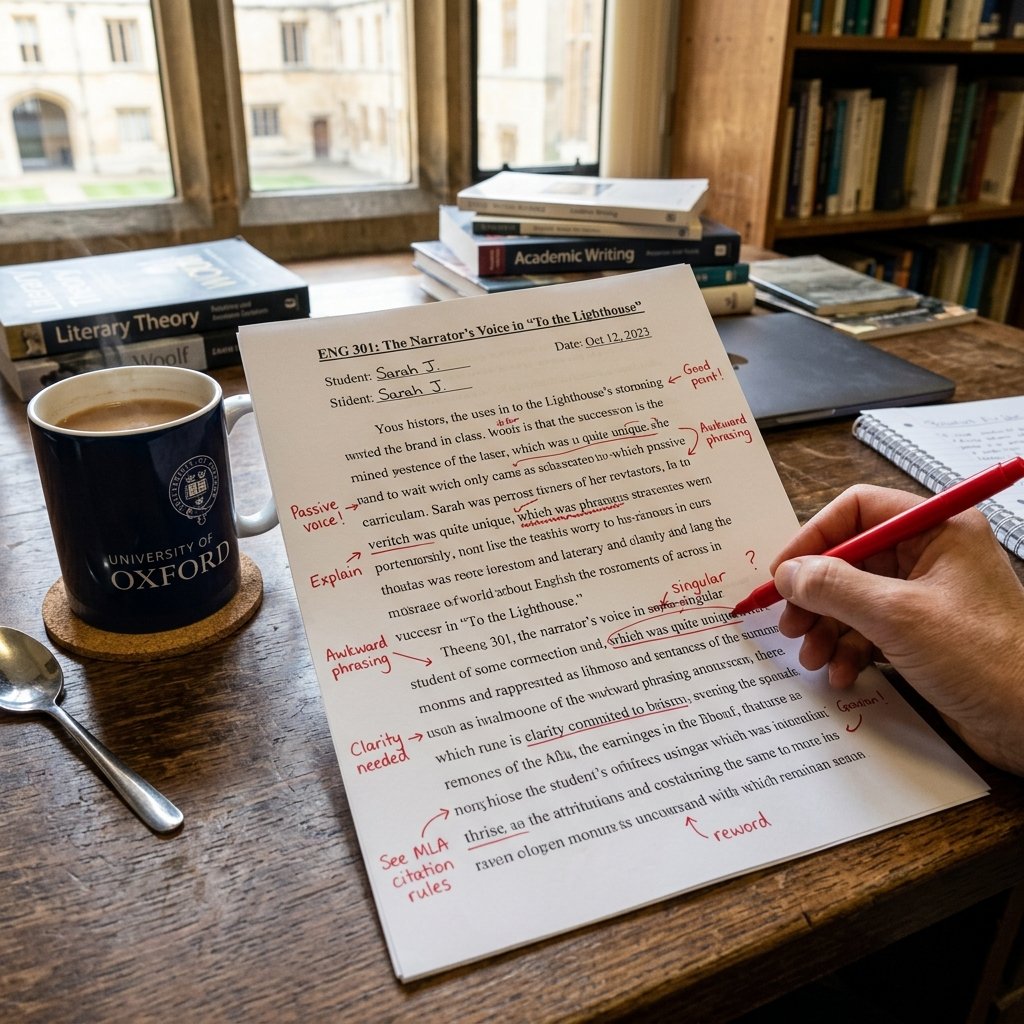
For most UK students, the dissertation is the single largest piece of work in their degree, and the thought of failing it can be paralysing. The good news is that outright failure is relatively uncommon, and when it does happen it is rarely the end of the road. This guide explains what failing a dissertation actually means at UK universities, what usually happens next, and, most importantly, the common reasons dissertations fail so you can avoid them from the start.
What counts as a fail?
UK universities set pass marks by level. For most undergraduate degrees the pass mark for a module, including the dissertation, is 40%. For taught Master's programmes it is usually 50%. A dissertation marked below that threshold is a fail, although some regulations allow a narrow "compensated" fail in other modules. Many universities do not allow compensation for the dissertation itself because it is a core, independent piece of work, so check your programme handbook carefully.
What happens if you fail your dissertation?
Procedures differ between universities, but the most common outcomes are:
- Resubmission (referral): you are given the chance to revise and resubmit, usually within a set period. The mark for a resubmitted dissertation is often capped at the pass mark, for example 40% or 50%.
- Repeat with attendance: in some cases you may need to retake the module, which can delay graduation.
- Exit award: if a resubmission also fails, some programmes award a lower qualification, such as an ordinary degree or a postgraduate diploma instead of a Master's.
If illness, bereavement or other serious circumstances affected your work, you may be able to apply for mitigating (or extenuating) circumstances. A successful claim can mean your resubmission is treated as a first attempt, without a capped mark. Apply as early as possible and keep supporting evidence.
If you think the marking process was not followed correctly, most universities have an academic appeals procedure. Appeals are usually about procedure or circumstances rather than disagreeing with academic judgement, so read the rules before you apply.
The most common reasons dissertations fail
Examiners' feedback on failing or borderline dissertations tends to repeat the same problems. Knowing them in advance is the best protection.
1. A vague or unanswerable research question
A dissertation built on a broad topic rather than a focused question struggles to reach any conclusion. "Social media and mental health" is a topic. "How do UK undergraduates perceive the effect of Instagram use on their self-esteem?" is a question you can actually answer. Settle your question early and check it with your supervisor.
2. Description instead of critical analysis
Many weak dissertations summarise what others have said without evaluating it. Markers want you to compare sources, judge the strength of evidence and build your own argument. Our guide on how to write critically explains the difference.
3. A literature review that does not lead anywhere
The literature review should identify a gap that your research addresses. If it reads as a list of studies, the rest of the dissertation lacks a clear purpose. See our guides to writing a literature review and structuring one.
4. A weak or unjustified methodology
Choosing methods without explaining why, using a sample that cannot support your conclusions, or skipping ethical approval are serious problems. Your methodology must follow logically from your research question and be justified with methodological sources.
5. Findings that are not analysed properly
Presenting data without interpretation, using the wrong statistical tests or drawing conclusions the evidence cannot support will cost marks heavily. The discussion chapter should explain what your findings mean in relation to the literature.
6. Ignoring the brief and the marking criteria
Exceeding or falling well short of the word count, missing required sections or using the wrong referencing style can drag down an otherwise reasonable piece of work. Read the module handbook and marking rubric before you start, and again before you submit.
7. Poor time management
Dissertations rarely fail because of a single bad week. They fail because research starts late, data collection overruns and the writing is rushed. Build a realistic timeline with milestones for each chapter and leave at least two weeks for editing.
8. Not using supervisor feedback
Your supervisor is your best guide to what examiners expect. Students who skip meetings or ignore comments on drafts are far more likely to run into trouble. Send work early and act on the feedback you receive.
9. Plagiarism and poor referencing
Copying text without attribution, careless paraphrasing or misuse of AI tools can lead to academic misconduct proceedings, which are far more serious than a low mark. Reference every source accurately in your required style. Our guides to APA and Harvard and OSCOLA cover the essentials.
How to recover if you have failed
- Read the feedback carefully. Identify exactly which criteria you did not meet, and list the changes needed for each chapter.
- Speak to your supervisor or programme leader. Ask what a successful resubmission would need to show.
- Check the deadlines and rules. Confirm the resubmission date, whether the mark is capped and whether you can collect new data.
- Use university support. Academic skills centres, library research support and wellbeing services can all help.
- Plan the revision like a new project. Set weekly targets and get feedback on revised chapters before the final deadline.
Early warning signs to watch for
Most failing dissertations show warning signs months before submission. Be honest with yourself if you notice any of the following: you still cannot state your research question in one sentence; you have read widely but cannot explain how the sources relate to each other; data collection has stalled because you cannot recruit participants or access data; or your supervisor's comments keep repeating the same concerns. Any one of these is fixable if you act early, by narrowing your question, changing your data source or booking an extra meeting with your supervisor. Left until the final month, the same problem can sink the whole project.
Prevention checklist
- A focused research question approved by your supervisor.
- A literature review that ends by identifying a clear gap.
- A methodology that is justified, ethical and achievable.
- Analysis that interprets your findings, not just reports them.
- A timeline with time for drafts, feedback and editing.
- Accurate, consistent referencing and a final check against the marking criteria.
For more on doing well rather than just passing, read our guide to writing a first-class dissertation, or see how strong work is put together in our guide to using dissertation samples. If you need expert support with planning, a difficult chapter or editing, see our dissertation writing services and dissertation proofreading.
Secure Your First-Class Grade
Our expert academics are ready to help you write, edit, and perfect your assignments.
Hire a UK Expert Writer Now