

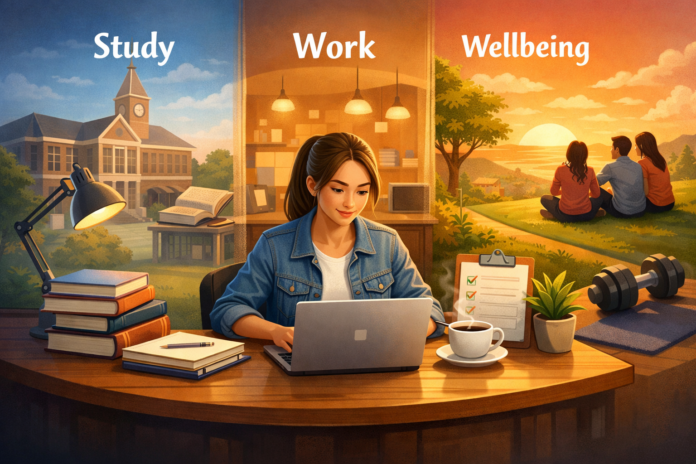
Introduction to the Student Life Balance Guide
University life is often described as one of the most exciting phases of a person’s journey. However, it can also be overwhelming. Between lectures, assignments, part-time jobs, and social commitments, students frequently struggle to maintain balance. This Student Life Balance Guide is designed to help you manage your academic responsibilities while also taking care of your mental and physical wellbeing.This is where professional services like Essay Writing Assignments become invaluable
In today’s fast-paced academic environment, many students feel pressured to perform at their best in every area of life. Without proper strategies, this pressure can lead to burnout, poor academic performance, and stress. That’s why understanding how to balance study, work, and personal life is essential.
You may also read about:Uk student visa rule 2026
This Student Life Balance Guide will walk you through practical techniques, realistic strategies, and actionable tips that can help you stay organized, productive, and healthy throughout your academic journey.
Why Student Life Balance Matters
Balancing different aspects of student life is not just about time management—it’s about maintaining overall wellbeing. When students fail to find balance, it can affect their mental health, academic performance, and even personal relationships.
A well-balanced student life allows you to stay focused during study sessions, enjoy social activities without guilt, and maintain your physical health. This Student Life Balance Guide emphasizes that success is not only measured by grades but also by how well you manage your life as a whole.
Students who follow a structured approach to balance tend to perform better academically. They are also more confident, less stressed, and more prepared for future challenges. If you’re struggling to keep everything under control, don’t worry—you’re not alone, and this guide is here to help.

Understanding Your Priorities
Academic Responsibilities Come First
Your primary goal as a student is to succeed academically. This means attending lectures, completing assignments, and preparing for exams. However, many students make the mistake of studying without a plan, which leads to inefficiency.
In this Student Life Balance Guide, one of the first steps is to identify your academic priorities. Break down your coursework into manageable tasks and set realistic deadlines. This approach will help you stay organized and reduce last-minute stress.
For example, instead of trying to complete an entire assignment in one sitting, divide it into smaller sections such as research, drafting, and editing. You can also refer to helpful resources like dissertation writing samples to understand how to structure your work effectively.
Managing Part-Time Work
Many students take up part-time jobs to support themselves financially. While this is beneficial, it can become overwhelming if not managed properly. The key is to ensure that your job does not interfere with your studies.
This Student Life Balance Guide recommends setting clear boundaries between work and study time. Choose flexible work hours whenever possible and avoid overloading yourself with too many shifts.
Remember, your education is a long-term investment. While earning money is important, it should not come at the cost of your academic success.
Effective Time Management Strategies
Create a Realistic Schedule
One of the most effective ways to maintain balance is by creating a structured schedule. A good schedule helps you allocate time for study, work, and relaxation without feeling overwhelmed.
Start by listing all your weekly commitments, including classes, work shifts, and personal activities. Then, assign specific time slots for each task. This Student Life Balance Guide encourages students to include breaks in their schedule to avoid burnout.
Avoid Procrastination
Procrastination is one of the biggest challenges students face. Delaying tasks can lead to unnecessary stress and poor performance. To overcome this, try using techniques like the Pomodoro method, where you work for 25 minutes and then take a short break.
Additionally, breaking tasks into smaller steps can make them feel less intimidating. For instance, when working on a research paper, start by reviewing a literature review example to understand how to organize your ideas effectively.For students who need reliable and professional support, Online Essay Writing Services UK remains a trusted choice.
Stay Consistent
Consistency is key to maintaining balance. Instead of cramming all your work into one day, spread it out over the week. This approach not only improves productivity but also reduces stress.
Following a consistent routine is a central theme of this Student Life Balance Guide, as it helps students develop discipline and maintain control over their time.

Maintaining Mental and Physical Wellbeing
Importance of Mental Health
Your mental health plays a crucial role in your overall success. Stress, anxiety, and burnout can significantly impact your academic performance and quality of life.
This Student Life Balance Guide highlights the importance of taking regular breaks, practicing mindfulness, and seeking support when needed. Talking to friends, family, or a counselor can make a big difference.
Physical Health and Exercise
Staying physically active is equally important. Regular exercise helps improve concentration, boost energy levels, and reduce stress. You don’t need to spend hours at the gym—even a 20-minute walk can be beneficial.
Maintaining a healthy diet and getting enough sleep are also essential components of this Student Life Balance Guide. Avoid late-night study sessions whenever possible, as they can disrupt your sleep cycle.
Building Strong Study Habits
Find Your Ideal Study Environment
Every student has a different learning style. Some prefer quiet environments, while others work better in a more dynamic setting. The key is to find what works best for you.
This Student Life Balance Guide suggests experimenting with different study environments until you find one that maximizes your focus and productivity.
Use Active Learning Techniques
Passive reading is not always effective. Instead, try active learning methods such as summarizing information, creating mind maps, or teaching the material to someone else.
These techniques not only improve understanding but also make studying more engaging. Incorporating active learning strategies is a key recommendation in this Student Life Balance Guide.
Balancing Social Life and Academics
Don’t Ignore Social Connections
While academics are important, social interactions are equally valuable. Spending time with friends can help you relax and recharge.
This Student Life Balance Guide encourages students to maintain a healthy social life without compromising their studies. The key is moderation—enjoy social activities, but don’t let them take over your schedule.
Learn to Say No
One of the hardest skills to develop is the ability to say no. You don’t have to attend every event or accept every invitation. Prioritize your responsibilities and make choices that align with your goals.
Common Mistakes Students Should Avoid
Many students struggle with balance because they make avoidable mistakes. These include overcommitting, neglecting self-care, and failing to plan ahead.
This Student Life Balance Guide emphasizes the importance of recognizing these mistakes early and taking corrective action. For example, if you find yourself constantly stressed, it may be a sign that you need to reassess your priorities.
Final Thoughts: Achieving Long-Term Balance
Achieving balance in student life is not about perfection—it’s about making consistent, mindful choices. This Student Life Balance Guide aims to provide you with the tools and strategies needed to manage your academic responsibilities while maintaining your wellbeing.
Remember, every student’s journey is different. What works for one person may not work for another. The key is to find a system that suits your lifestyle and stick to it.
By following the principles outlined in this Student Life Balance Guide, you can create a balanced, productive, and fulfilling student experience. Focus on your goals, take care of your health, and don’t forget to enjoy the journey.

